
Boosting digital and green skills for a resilient and sustainable Western Balkan society
Project title:
Boosting digital and green skills for a resilient and sustainable Western Balkan society
Acronym:
SKILL2SUSTAIN
Program:
ERASMUS-EDU-2024-CBHE-STRAND-2 (Project no. 101178204)
Duration:
36 months (2025-2028)
Abstract:
Boosting digital and green skills for a resilient and sustainable Western Balkan Boosting digital and green skills for a resilient and sustainable Western Balkan society – SKILL2SUSTAIN is fully aligned with the objectives of the CBHE action, its activities, and the specificities of Strand II. The urgent need for the Western Balkans to accelerate the twin green and digital transition has been recognized through analyses conducted in the target countries of Region 1. The broader aim of the project is to mainstream a holistic approach to digitalization and the green transition, while its specific objectives are in line with the EU Green Deal, the Digital Education Action Plan 2021–2027, and the Council Recommendation on learning for the green transition and sustainable development. The project supports higher education systems in creating green and digital societal ecosystems.
A Digital and Green Initiative for WBC Education in Academia will be developed and signed by all project partners. Over three years, 10 curricula will be modernized or newly developed and implemented across 5 WBC HEIs: 2 new BSc programs in Disaster Risk Management, 3 modernized BSc/MSc programs, and 5 new certified LLL programs. These will introduce innovative green topics such as circular economy, energy efficiency, renovation wave, climate change adaptation, sustainability, disaster resilience, and digital skills in Building Information Modeling (BIM) and Geographic Information Systems (GIS).
The modernization and development paths will be defined based on national and regional needs, supported by knowledge transfer from EU HEIs. Furthermore, 5 ICT-based interoperable Research and Education Centers will be established at WBC HEIs. Teaching methodologies will be enhanced through study visits, and blended learning materials will be offered in EN/ALB/MNG/BIH/SRB via an ICT collaboration platform and an open-access e-library.
Specific project objectives:
- SO1: Establish Research and Education Centres (RECs) for green and digital transition within each WBC HEIs.
- SO2: Raise awareness of staff and student community on the needs for green and digital skills within HEIs.
- SO3: Promote green transition and digitalization culture within WBC HEIs.
- SO4: Increase Synergies between academia and stakeholders for implementing joint initiatives for green transition and digitalization.
- SO5: Reinforce networking and collaboration between staff and student communities of WBC and EU about digitalization and green transition actions.
Partners:
- University of Novi Sad (Serbia) – COORDINATOR
- University of Montenegro (Montenegro)
- University of Tirana (Albania)
- Polytechnic University of Tirana (Albania)
- University of Banja Luka (Bosnia and Herzegovina)
- University College “CEPS-Center for Business Studies” Kiseljak (Bosnia and Herzegovina)
- University of Ljubljana (Slovenia)
- University of Zagreb (Croatia)
- Ss. Cyril and Methodius University in Skopje-UKIM (N. Macedonia)
- Građevinarstvo – nauka i praksa – Podgorica (Montenegro)
- Chamber of Engineers of Montenegro (Montenegro)
- Environmental and Territorial Management Institute (Albania)
- Chamber of Commerce and Industry of Banja Luka Region (Bosnia and Herzegovina)
- Chamber of Commerce of the Federation of Bosnia and Herzegovina, BiH
Role in the project:
Partner / Beneficiary (BEN)
IMPORTANT LINKS
Project Website
https://skill2sustain.uns.ac.rs
Project newsletter – issue 1
https://skill2sustain.uns.ac.rs/wp-content/uploads/2025/11/SKILL2SUSTAIN-NWLTR-1.pdf
Posts related to this project:
Project social networks:
LinkedIN: https://www.linkedin.com/company/skill2sustain/?viewAsMember=true
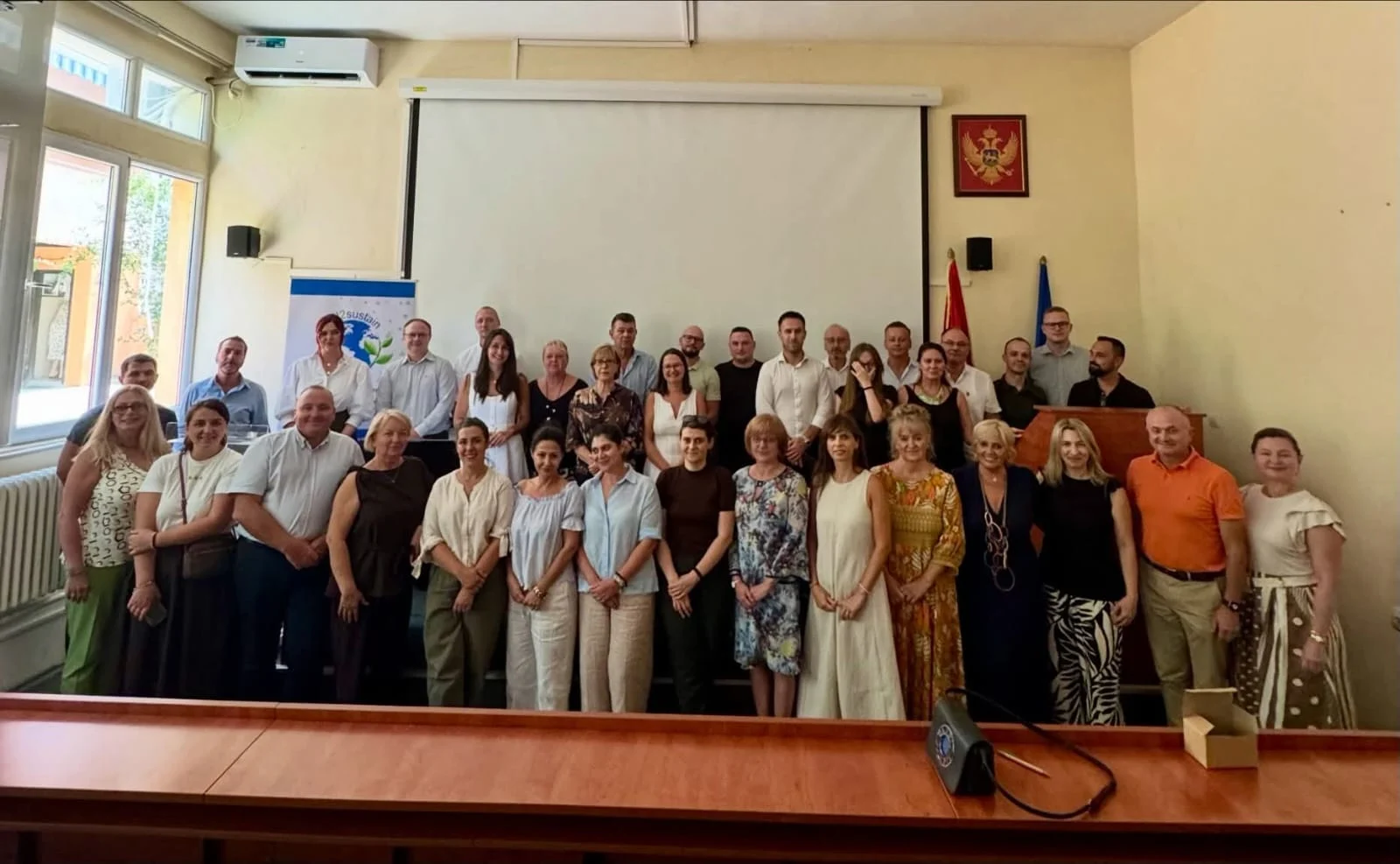
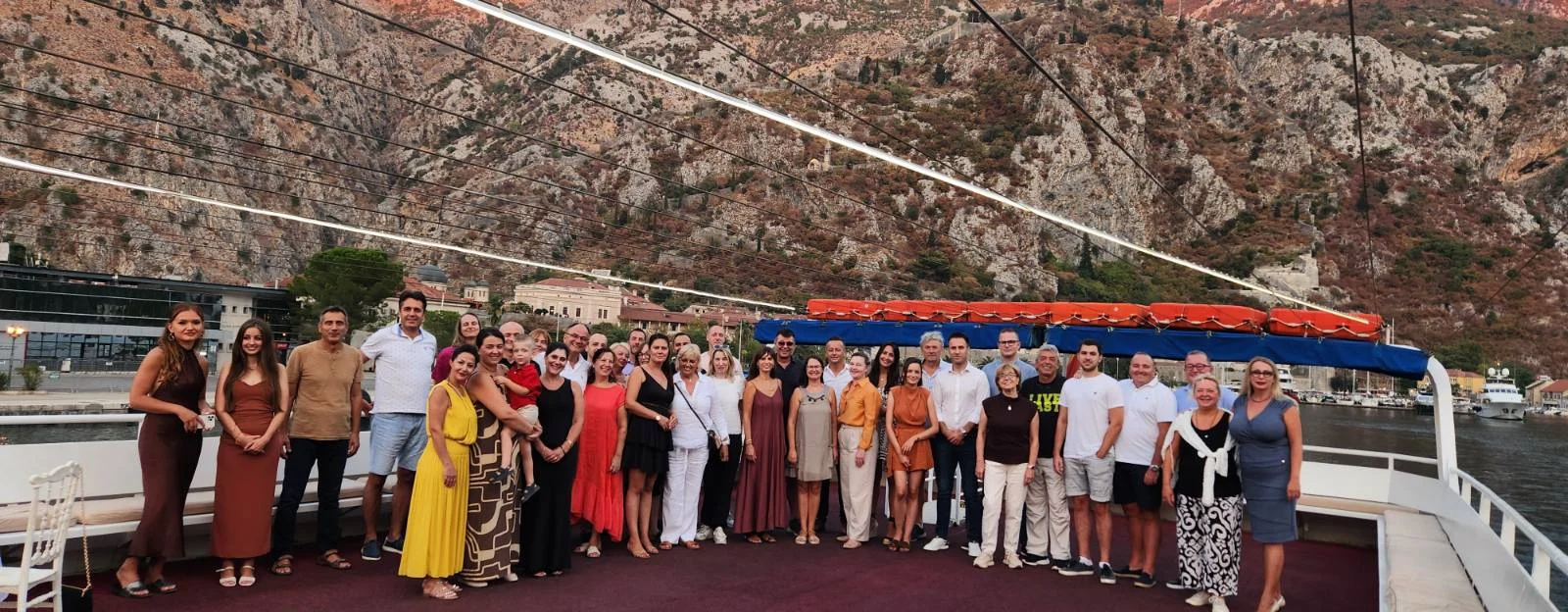
The third day was dedicated to the SKILL2SUSTAIN Project Management Meeting, including a review of achieved results and agreement on the next project activities.
– Symposium Proceedings
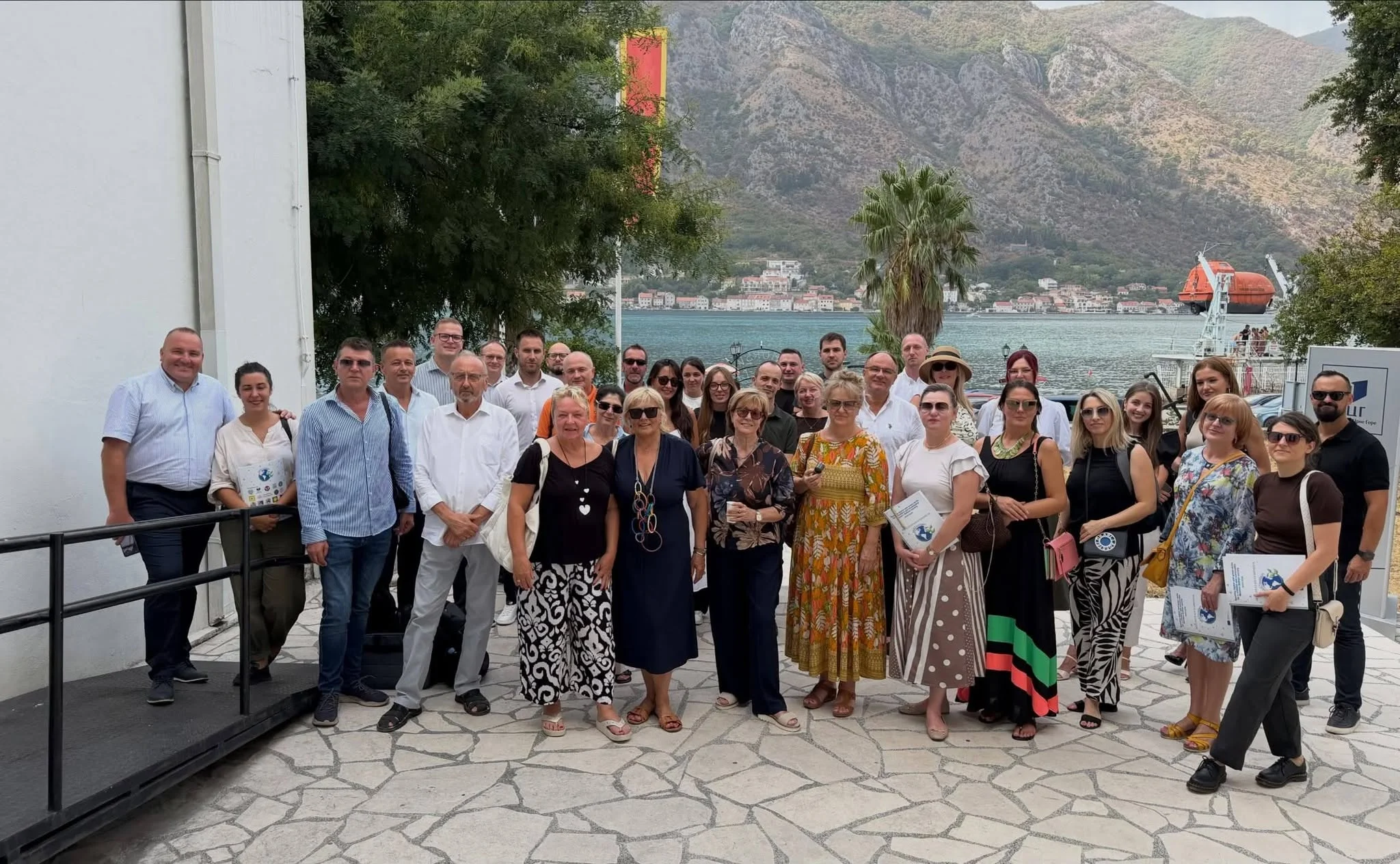
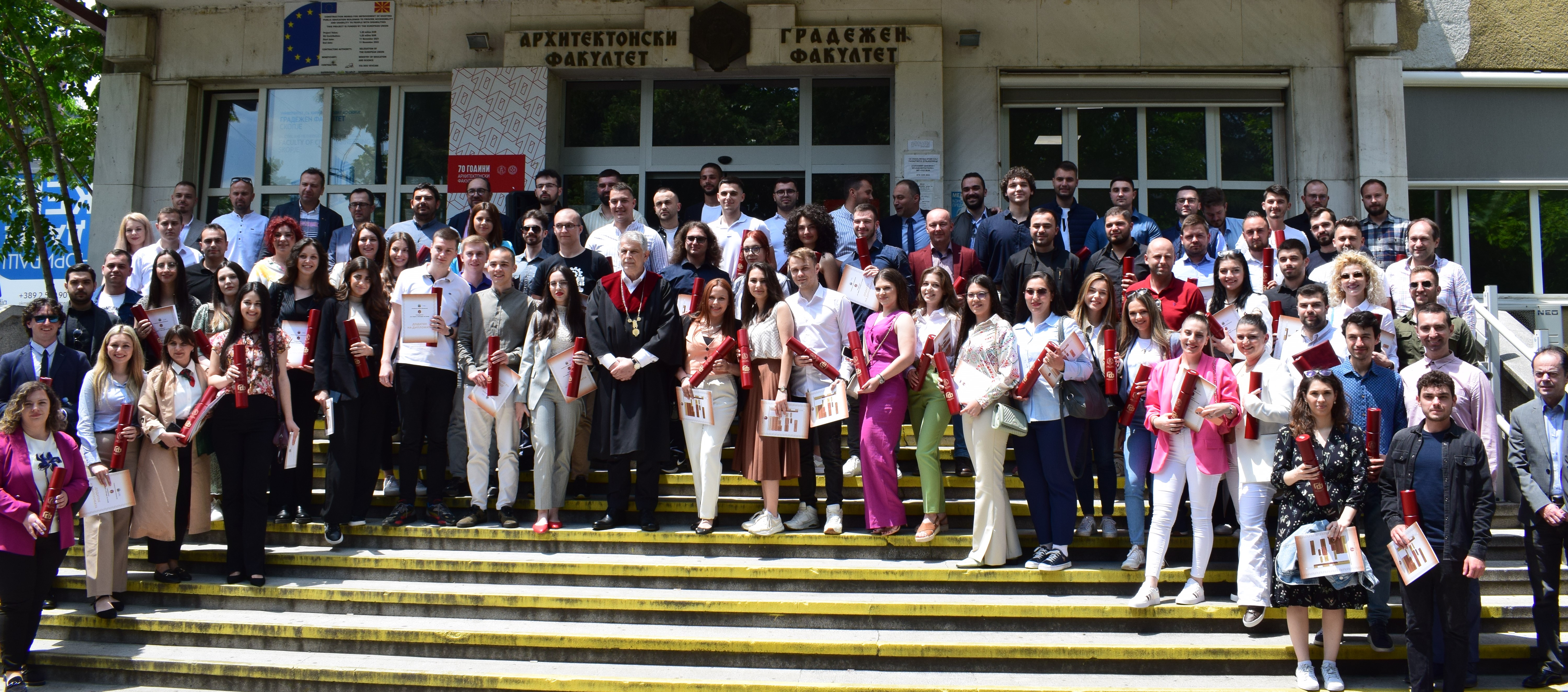
Within the SKILL2SUSTAIN project, the Faculty of Civil Engineering at the University Ss. Cyril and Methodius in Skopje hosted two significant events.
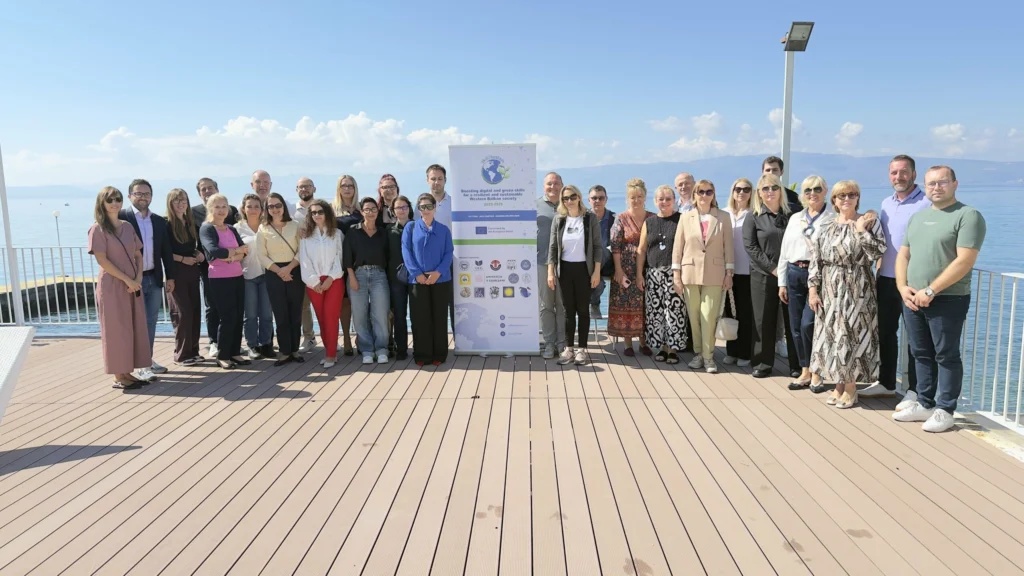
- Project Meeting and Study Visit (24–26 September 2025)
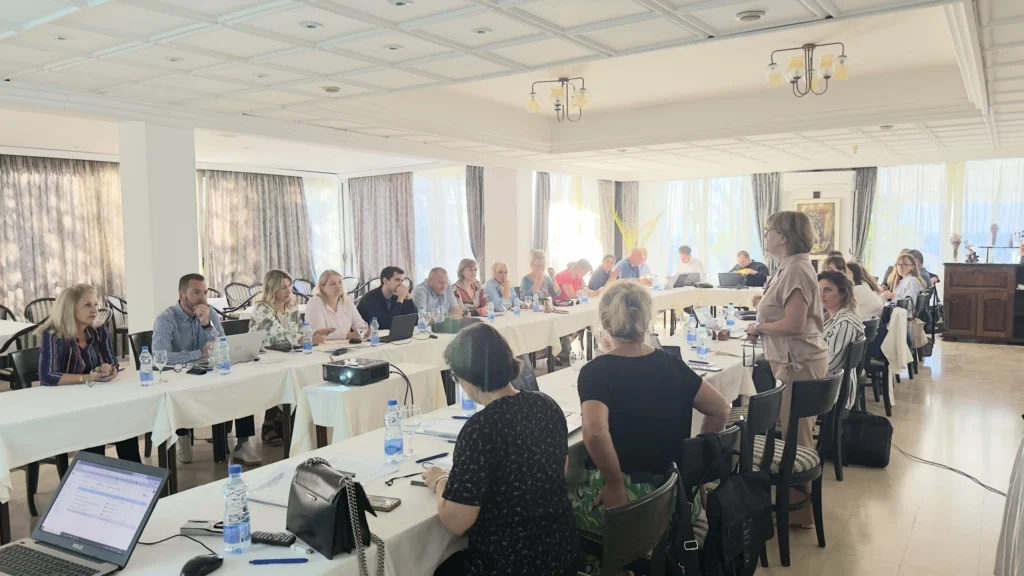
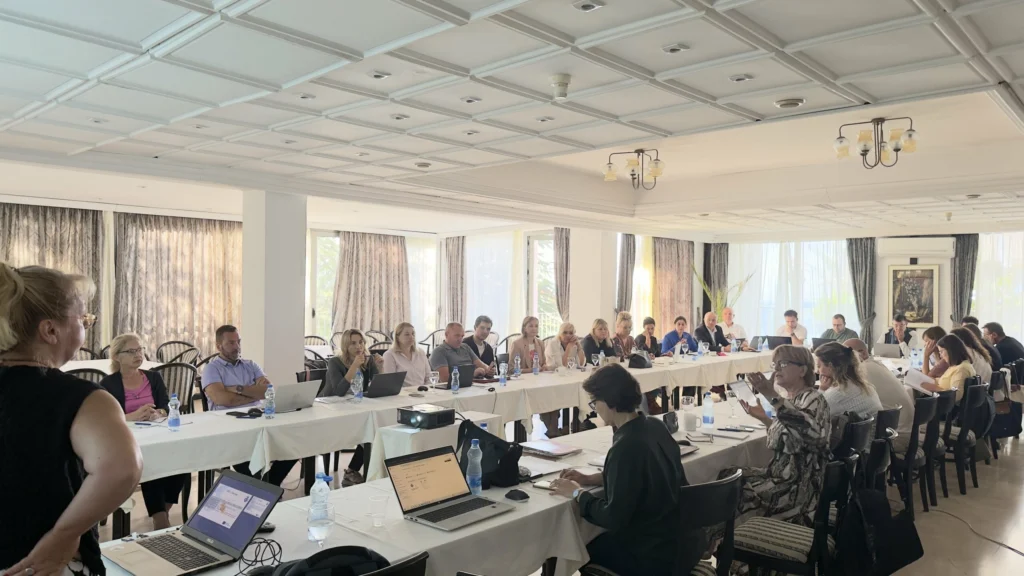
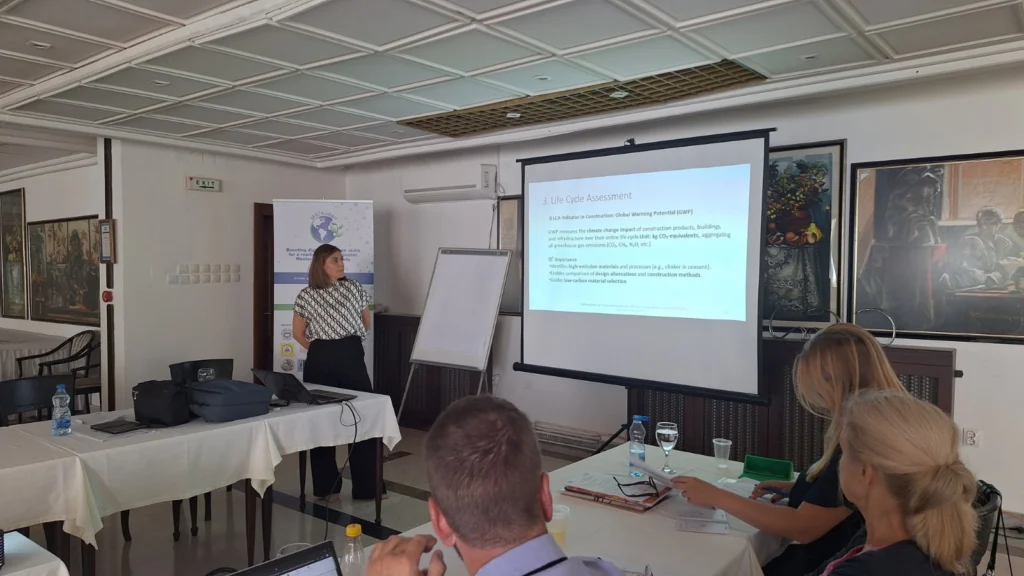
Held in Ohrid, North Macedonia, alongside the MASE21 International Conference, this three-day event brought project partners together to review progress, coordinate deliverables, and address key aspects such as quality assurance, dissemination, and stakeholder engagement. Participants also attended expert sessions on sustainable construction, including life cycle assessment, seismic risk, and hazard planning. A highlight of the event was the keynote lecture by Prof. Dr. Tomo Cerovšek on the application of BIM and AI in structural engineering, further emphasizing the project’s commitment to sustainability and innovation.
2. Training Visit (23–27 February 2026)
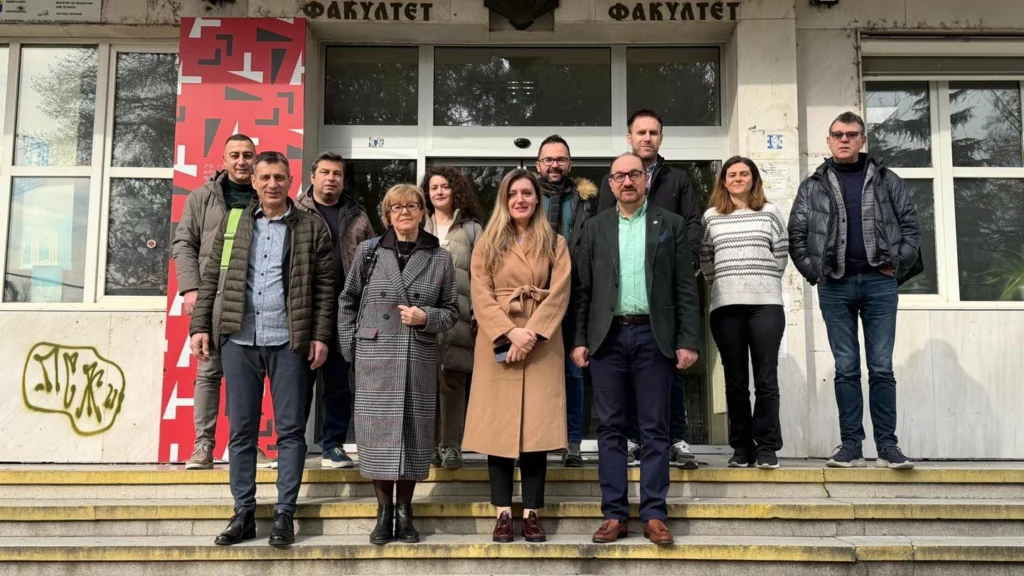
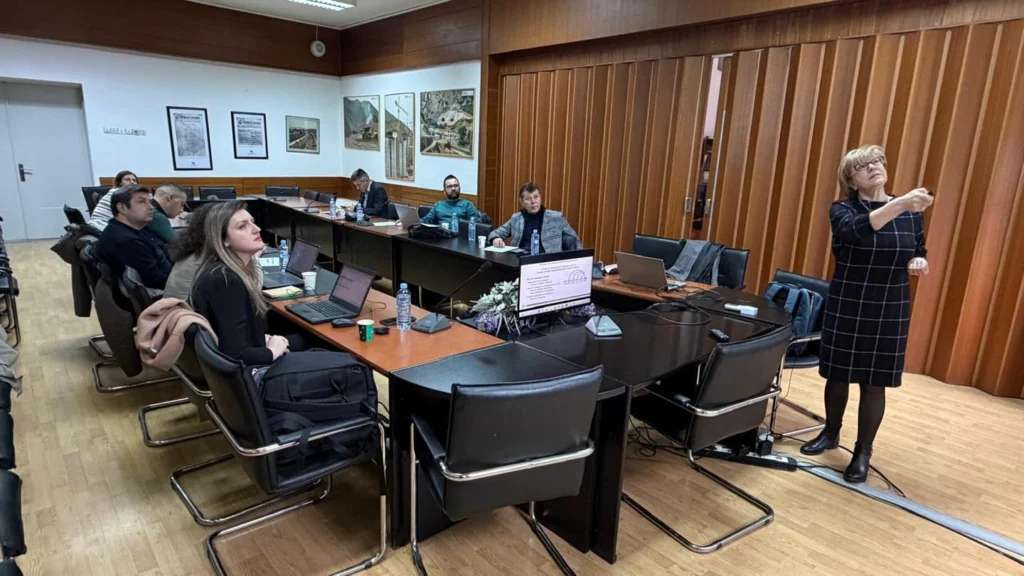
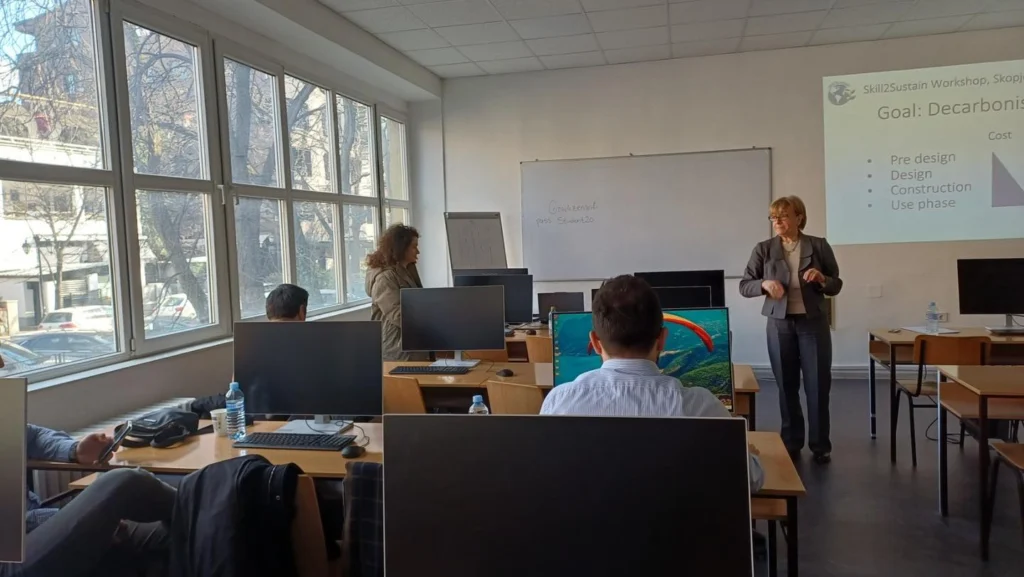
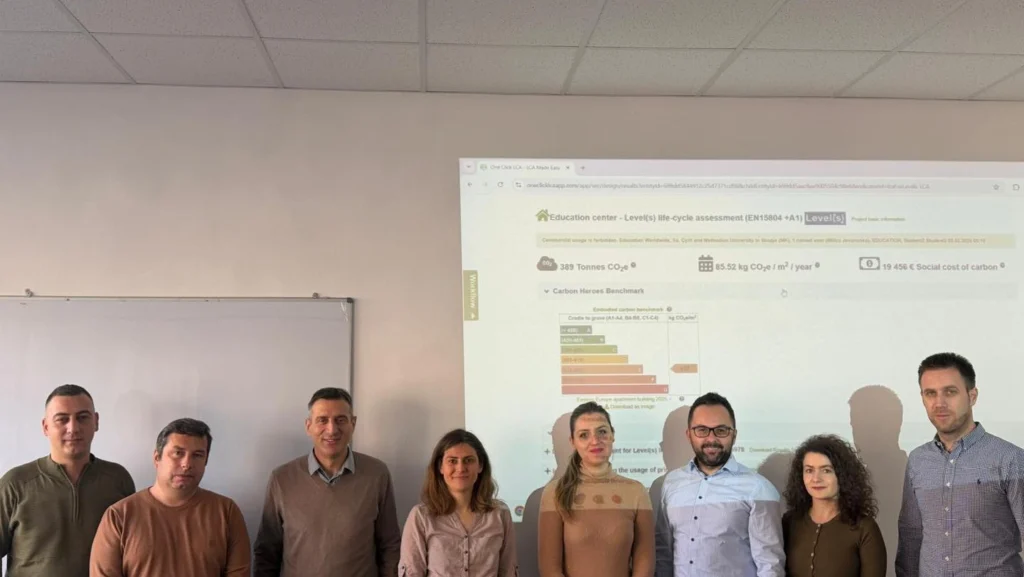
Hosted in Skopje, this training focused on “Circular Economy in the Construction Sector (CircularB – Design for Disassembly (DfD) and Life Cycle Assessment – LCA)” within the Erasmus+ SKILL2SUSTAIN framework. The event gathered participants from partner institutions across the Western Balkans, including the University of Montenegro, Polytechnic University of Tirana, University of Tirana, and University College CEPS Kiseljak. Delivered by Prof. Dr. Meri Cvetkovska and Assoc. Prof. Dr. Milica Jovanoska-Mitrevskа, the training provided valuable opportunities for knowledge exchange, strengthened regional collaboration, and promoted sustainable and innovative practices in civil engineering.
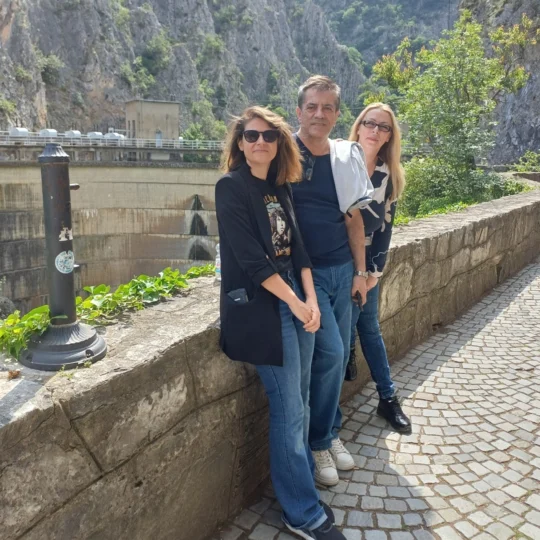
In their free time, the participants also visited one of the tourist attractions near Skopje, Matka Canyon, which is home to one of the oldest dams and hydroelectric power plants in North Macedonia.

“Funded by the European Union. Views and opinions expressed are however those of the author(s) only and do not necessarily reflect those of the European Union or [name of the granting authority]. Neither the European Union nor the granting authority can be held responsible for them.”